

The depreciating Bhutanese Ngultrum against the US dollar has put further aggravated the problem
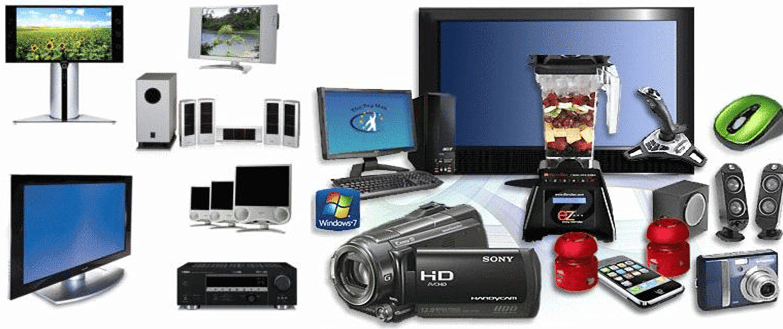
The prices of home appliances and consumer electronics, including TVs, washing machines, and refrigerators, have gone up by 3 to 5% from May end or the first week of June as imports costs have been rising, according to the importers in the country.
Moreover, the depreciating Bhutanese Ngultrum against the US dollar has put further woes on imported components that have become costlier.
The prices of electronic items including computers and mobile phones have gone up by about 5% in the Bhutanese markets.
According to a laptop importer in the market, the price for DELL Inspiron 5410 slim series of Core i5 and 11th generation processor laptop has risen to Nu 65,000 from Nu 58,000 recently.
“The latest price for DELL Inspiron iCore7 is Nu 105,000. The price for this laptop before was only Nu 92,600 in Thimphu,” he said.
He shared that the Lenovo i5, which cost about Nu 64,000 earlier in the market, is now priced at Nu 68,000 today. The new price for Acer Swift-3 Intel Core is Nu 59,500, an increase from the earlier price of Nu 55,000.
Further, the prices for headphones, speakers, memory cards, and pen drives have increased by Nu 100 to 200. The electronic industry suspects that the increased prices are due to the shortages of computers in the market and the generations of new windows.
According to the Fusion Computer in Thimphu, the rise in pricing is a result of the inability to meet SSD market demands and the shortage of supply in the foundry market.
“We have become much more supply driven versus demand-driven due to the shortages in the markets and freight issues,” he said, adding that the manufacturers are hiking prices to minimize the damage done to their bottom lines by various snags throughout the global supply chain.
The owner of Himalayan Infotech in Thimphu, who imports laptops from the United States, Indra Ghalley said that the prices of laptops have increased as the value of the dollar has risen.
She said that some customers question on the price rise.
Bobita Gurung, the owner of Sound Mobile Phones said that electronics are not available to meet the demand of retail markets.
She said this has been one reason for the price hike.
“The other reason is that it could be due to an increase in transportation charges as fuel prices keep increasing,” she said.
She shared that the electronics’ prices might have increased as there is no electronics’ import from China.
Meanwhile, Samsung mobile distributors in the country said that the prices of Samsung phones have not increased.
One of the distributors said that the prices of Samsung phones come with new prices with new seasons. “There is no information of the new prices from the manufacturer or the distributors.”
The manager of 8 Eleven, which also distributes the Vivo phones, Ram said that there is no instruction about new phone rates.
“If retail prices of electronics have increased, the sellers might have purchased from the small vendors,” he added.
Sangay Rabten from Thimphu